
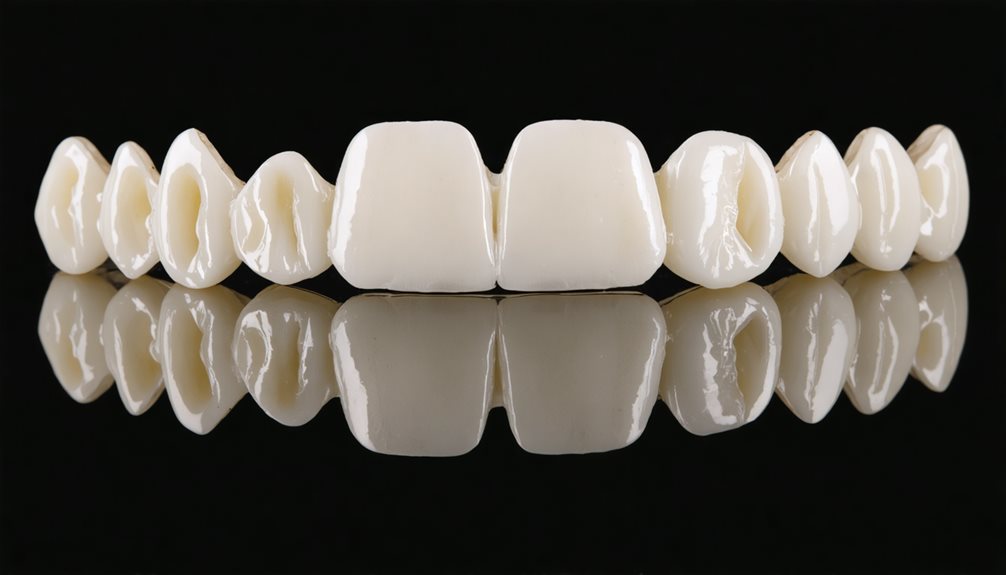
When you’re considering veneers for a teen, it’s important to weigh the options carefully. Porcelain veneers stand out for their durability and natural look, making them a popular choice. However, composite resin veneers offer flexibility and are easier on the budget, which might be appealing for growing teens. Then there’s the minimal-prep option, which preserves more of the natural tooth structure and usually involves a comfortable procedure. So, how do you determine which veneer type aligns best with a teen’s needs and lifestyle? Let’s explore the factors that could guide this significant decision.
Porcelain Veneers
When it comes to enhancing your smile, porcelain veneers offer a durable and aesthetically pleasing solution. These thin, custom-made shells are designed to cover the front surface of your teeth, improving their appearance by altering color, shape, and alignment. Porcelain is a material known for its strength and stain resistance, ensuring that your smile remains vibrant over time.
Understanding cost considerations is essential when deciding on porcelain veneers. While the initial investment may be higher than alternatives, the treatment’s longevity often justifies the expense. Typically, porcelain veneers can last between 10 to 15 years, making them a cost-effective choice in the long run. This durability reduces the need for frequent replacements, offering you peace of mind and control over your dental health.
Additionally, the process of obtaining porcelain veneers involves minimal tooth preparation, preserving more of your natural tooth structure. This means you’re not just enhancing your smile but also maintaining your dental integrity. As you explore options for improving your smile, considering these factors will empower you to make informed decisions, ensuring that your investment aligns with your aesthetic goals and financial plans.
Composite Resin Veneers
Composite resin veneers provide a versatile and cost-effective alternative to porcelain veneers for enhancing your smile. They are particularly appealing for teens because of their affordability and adaptability. These veneers are crafted from a resin material that can be precisely shaped and polished directly onto your teeth. You’ll appreciate the control you have over the outcome since your dentist can adjust the color and shape in real-time, ensuring a seamless blend with your natural teeth.
Understanding durability factors is vital when considering composite resin veneers. While they are not as hard as porcelain, they offer a significant advantage regarding ease of repair. This means that if a chip or crack occurs, it’s usually a straightforward process to fix it, often in a single visit. This flexibility gives you peace of mind knowing that maintaining your veneers is manageable.
Color matching is another strong suit of composite resin veneers. Your dentist can customize the shade to match adjacent teeth, which is essential for a natural appearance. You’ll have the ability to discuss your preferences, ensuring the final result aligns perfectly with your expectations and desired aesthetic.
Minimal-Prep Veneers
Minimal-prep veneers offer a modern solution for teens seeking to enhance their smiles with less invasive procedures. These veneers require minimal alteration to the natural tooth structure, preserving more of your teen’s original enamel. This approach reduces the risk of sensitivity and maintains the tooth’s integrity over time. By choosing minimal-prep veneers, you provide your teen with a cosmetic option that balances aesthetics with oral health preservation.
The minimal prep process involves a less aggressive preparation of the tooth surface compared to traditional veneers. Typically, this means little to no enamel removal, making it a more conservative choice. Your teen will appreciate that this process usually requires fewer appointments and less chair time, allowing them to quickly return to their daily activities with minimal disruption. The application involves custom-fit veneers that are bonded to the teeth, providing a natural and long-lasting enhancement.
One of the key minimal prep benefits is the reduced need for anesthesia, as the procedure is generally painless. Additionally, the reversible nature of this option can be appealing if future changes are desired. By opting for minimal-prep veneers, you empower your teen to enjoy a confident smile with less commitment and risk.
Frequently Asked Questions
Are Veneers a Good Option for Teens With Braces?
You should consider veneers after braces are removed. Veneers benefit teeth by enhancing appearance, but braces compatibility is limited during orthodontic treatment. Consult your orthodontist to guarantee the best timing and approach for achieving your desired results.
How Long Do Veneers Typically Last for Teenagers?
You’re probably wondering about veneer lifespan for teenage dental needs. Veneers typically last 10-15 years. Proper care, including regular brushing and check-ups, guarantees longevity. It’s crucial to make informed decisions for your long-term dental health.
Can Teens With Veneers Still Play Contact Sports?
Yes, teens with veneers can play contact sports. Guarantee proper veneers care by wearing a custom mouthguard for sports safety. This protective step helps maintain your veneers’ integrity, allowing you to enjoy activities without compromising dental health.
Do Veneers Affect Speech or Pronunciation for Teens?
When you get veneers, speech clarity might initially change. Some teens experience slight pronunciation changes, but these are usually temporary. Practice speaking to adapt quickly and regain control over your articulation, ensuring your confidence remains as strong as ever.
Are Veneers Covered by Dental Insurance for Teenagers?
You’ll find that dental insurance often doesn’t cover veneer costs for teenagers since they’re usually considered cosmetic. It’s essential to review your specific policy details and consult with your provider to understand potential out-of-pocket expenses.

